Common causes
1. Restricted airflow
The single most common cause. A clogged filter, blocked return, closed-off rooms, or a dirty blower wheel chokes the system. The evaporator coil gets too cold, ices over, and the system blows warm air. Replace the filter, open all supply and return registers, and give the system several hours to thaw if ice was present.
2. Frozen evaporator coil
If ice is visible on refrigerant lines or the indoor coil, shut the AC off and run the fan only. Running a frozen system damages the compressor — a very expensive part to replace.
3. Low refrigerant from a slow leak
AC systems don't consume refrigerant; if it's low, it's leaking. Adding refrigerant without finding the leak is a temporary fix that gets more expensive every season. A proper diagnosis includes leak detection.
4. Failed capacitor
A failed run capacitor can cause the outdoor fan or compressor to not start, leaving you with airflow but no cool air. Capacitors are inexpensive parts — but they sit in a high-voltage circuit and should be replaced by a tech.
5. Thermostat or wiring issue
Dead thermostat batteries, a thermostat in fan-on mode, or a broken low-voltage wire can all make a system appear to run while never engaging cooling.
What homeowners can safely check
- Replace the air filter and wait an hour to see if cooling returns.
- Confirm the thermostat is set to Cool, fan on Auto, setpoint several degrees below room temperature.
- Check the breaker panel and the outdoor disconnect box.
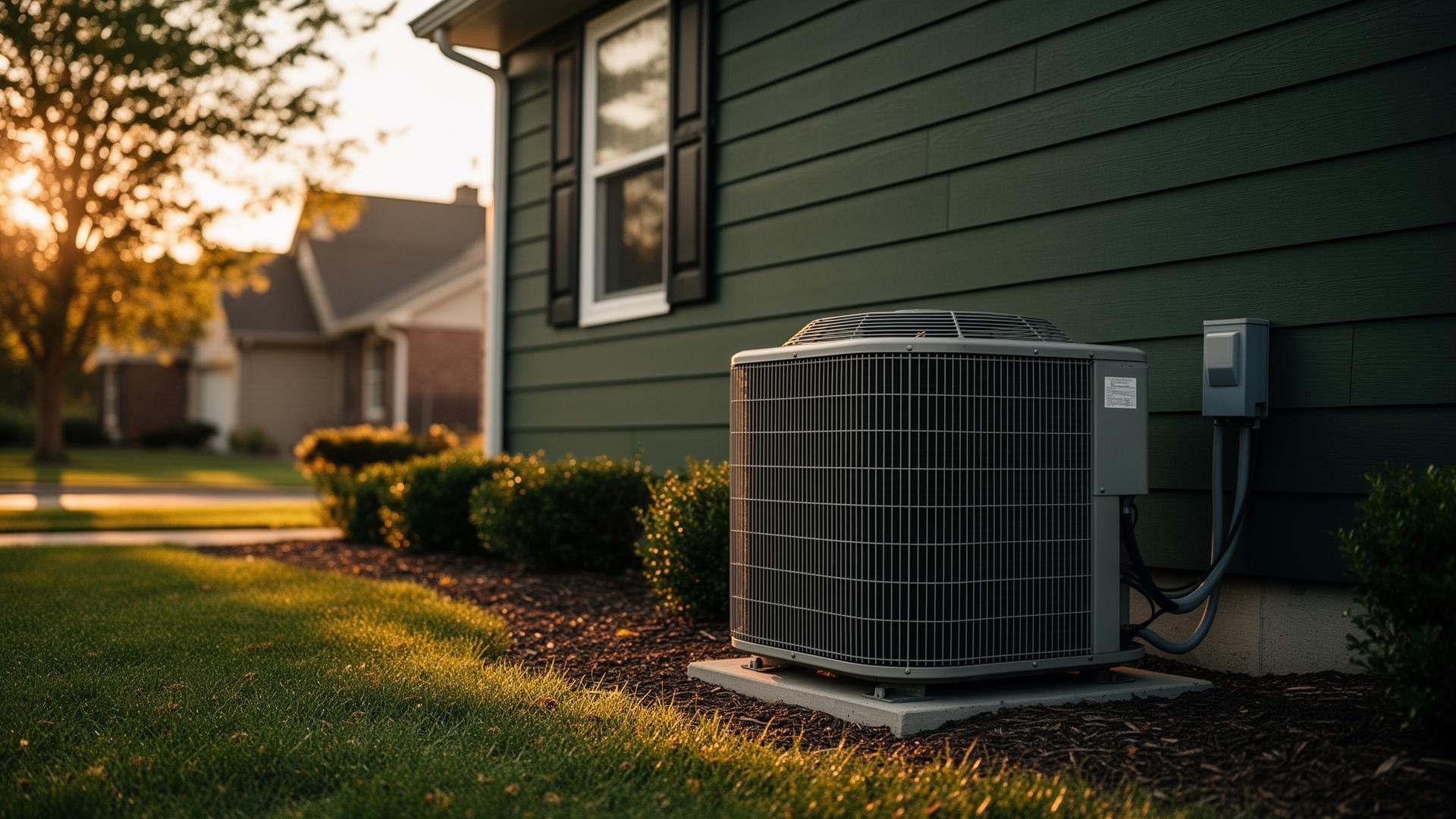
- Clear leaves, grass clippings, and debris around the outdoor unit.
- Open all supply registers and return grilles in the home.
When to stop DIY and request help
- Ice on the indoor coil or refrigerant lines.
- Burning smells, smoke, or scorch marks.
- The outdoor unit humming but the fan not spinning.
- The system tripping the breaker on startup.
- Indoor temperatures climbing above safe levels during a heat advisory.
Cost and timing factors
A capacitor or thermostat fix is often a single short visit. A refrigerant leak repair depends on where the leak is — accessible line set repairs are straightforward; a leaking evaporator coil often costs enough to weigh against replacement on older systems. Peak summer schedules can stretch timing but shouldn't change the actual repair cost.