Symptoms this service addresses
- Rising utility bills with no change in usage
- Uneven temperatures between rooms or floors
- System runs longer than it used to for the same setpoint
- Excess dust in the home or visible debris around vents
- System hasn't been serviced in over 12 months
- Approaching the start of summer or winter — pre-season check time
What the service involves
- Spring tune-up: refrigerant pressures, electrical, capacitor health, coil cleaning, drain line clearing
- Fall tune-up: combustion check, flame sensor cleaning, ignition test, gas pressure, heat exchanger inspection
- Filter replacement guidance and airflow check
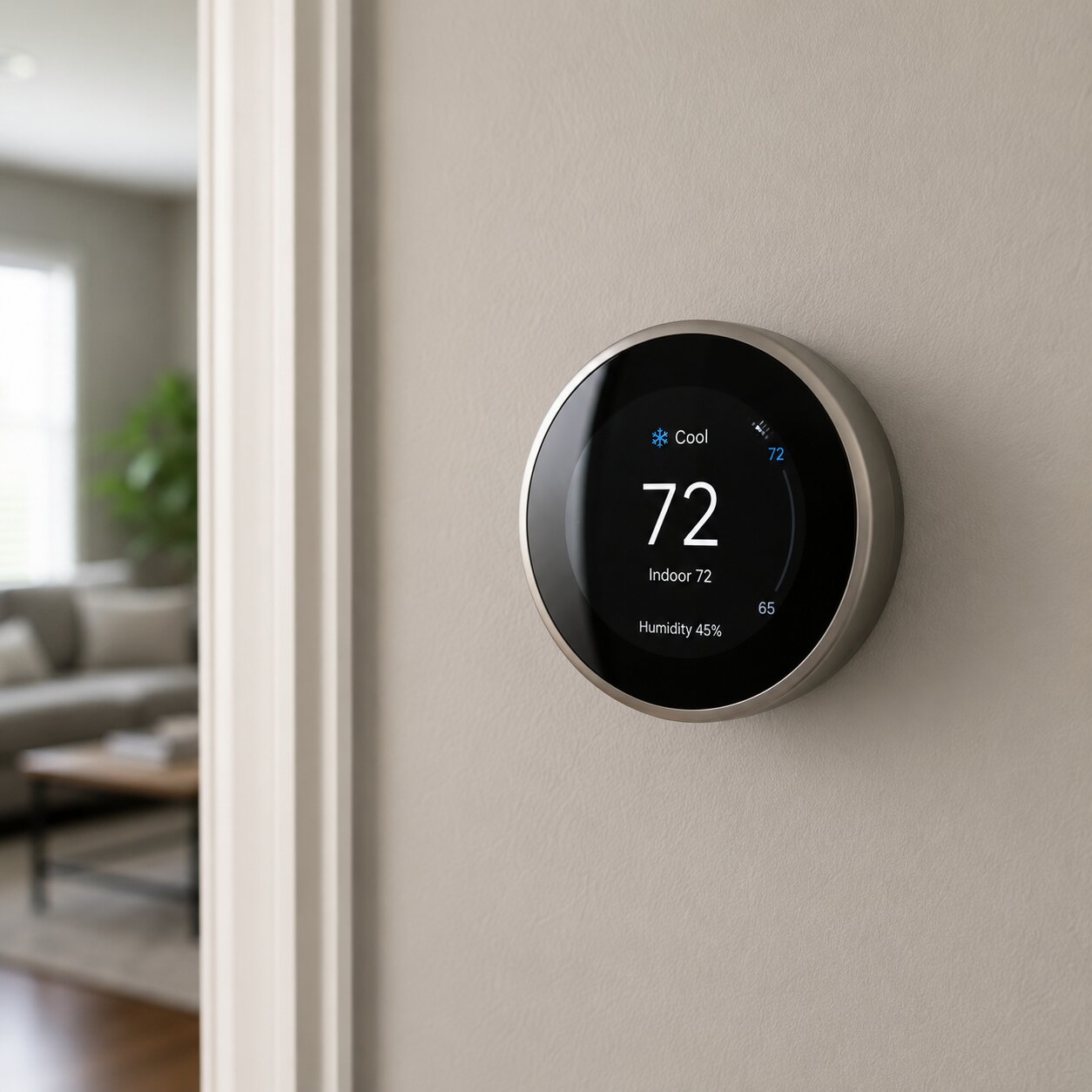
- Thermostat calibration and programming review
- Written notes on what was checked and any items to watch
What affects cost and timing
- Single-visit tune-up vs annual plan covering both seasons
- Equipment type and number of systems
- Filter type (basic vs media cabinet vs high-MERV)
- Whether coil cleaning or drain treatment is needed
When it's urgent
- Maintenance is rarely an emergency — but skipping it for years often turns into one
- Schedule the fall tune-up before the first hard freeze
- Schedule the spring tune-up before sustained 90°F days
What to check before requesting help
- Note when the system was last serviced and by whom
- Have the brand, model, and approximate install year ready
- Make a list of any quirks — strange noises, hot rooms, intermittent issues
- Check the current filter and note when you last changed it
FAQ
Twice a year for systems with both cooling and heating — once in spring for AC/heat pump, once in fall for furnace or heat pump heating mode. Filter checks every 1–3 months depending on filter type and household.